
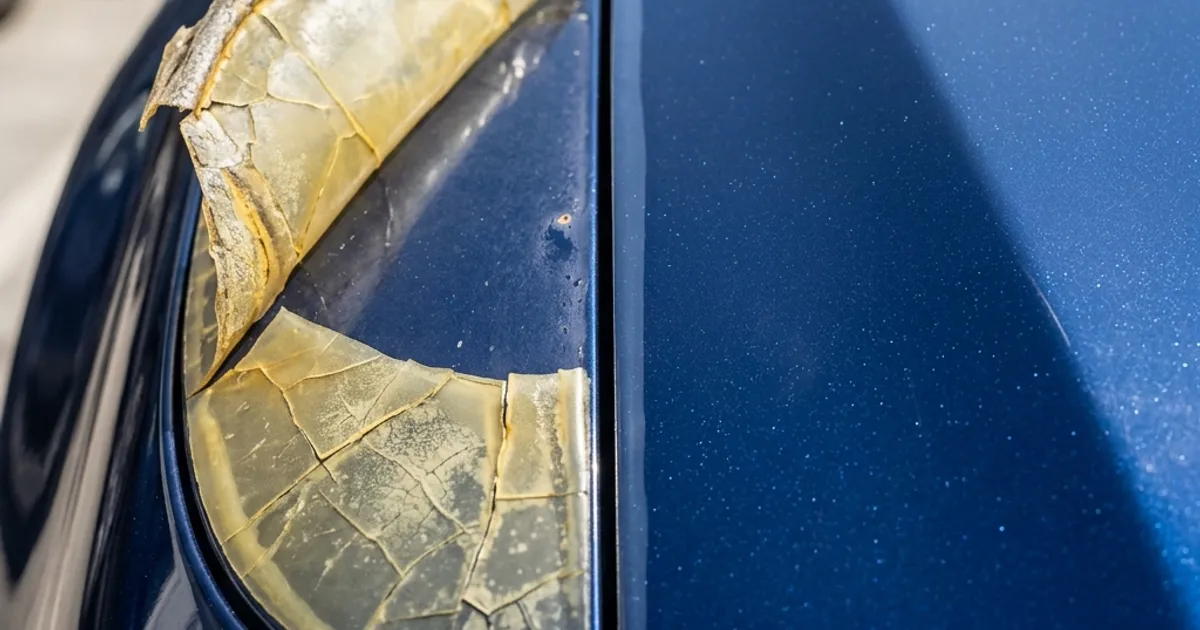
The Origin of the Yellowing Reputation
Paint protection film yellowing was a real and serious problem with first-generation films from the late 1990s and early 2000s. Those films used polyurethane chemistries that were not UV-stable. Within 3-5 years of installation, the film would visibly yellow — particularly noticeable on white or light-colored vehicles.
This is where the bad reputation started, and it stuck. Even today, many car owners assume PPF will yellow within a few years.
How Modern Premium Films Solved It
Around 2010-2015, the major PPF manufacturers transitioned to TPU (thermoplastic polyurethane) chemistries with built-in UV stabilizers. These modern films are designed to maintain optical clarity for the full duration of their warranty (typically 10-12 years).
Specific brand-product combinations that have largely eliminated yellowing:
- XPEL Ultimate Plus — 10-year warranty against yellowing, cracking, peeling and bubbling.
- STEK DYNOshield — 10-year warranty, integrated hydrophobic top coat.
- SunTek Reaction — 12-year warranty (longest in the industry).
- 3M Pro Series — 10-year warranty.
- Llumar Platinum — Eastman parent, similar TPU chemistry to SunTek.
These films are tested in accelerated UV chambers to simulate years of exposure. Modern premium PPF should remain clear for the full warranty period and well beyond in most climates.
Get free quotes from certified installers in your area
Compare prices and find the right installer for your vehicle.
Get Free Quotes →When Yellowing Still Happens
Yellowing is still a risk with:
- Budget or off-brand PPF, especially imported films from non-major manufacturers.
- Older first-generation films still in service from pre-2015 installs.
- Films left on past their warranty period in very high-UV climates.
- Cheap "budget" films marketed under generic names — if you cannot identify the manufacturer, assume the chemistry is older.
The fix: stick with the major brands and verify which film line your installer is quoting. Ask specifically for the modern premium product line, not the budget tier.
How to Tell If Your PPF Is Yellowing
Compare a covered panel to an uncovered panel under direct sunlight. If the covered panel has a yellow or amber tint that the uncovered panel does not, yellowing is starting.
Mild yellowing under warranty is a manufacturer claim — contact your installer.
Heavy yellowing past warranty is replacement time.