
Premium Brand Warranties and Real Lifespans
- XPEL Ultimate Plus: 10-year warranty, 8-12 years real-world.
- STEK DYNOshield: 10-year warranty, 8-12 years real-world.
- SunTek Reaction: 12-year warranty, 8-12+ years real-world.
- 3M Scotchgard Pro Series: 10-year warranty, 8-12 years real-world.
- Llumar Platinum: 10-year warranty (Eastman parent, similar to SunTek).
- Kavaca (Ceramic Pro line): 10-year warranty, 7-10 years real-world.
Real-world lifespan exceeds the warranty in most cases — premium PPFs typically run 1-2 years past their warranty before any visible degradation.
When to Replace PPF
PPF replacement is usually triggered by one of:
- Yellowing — modern premium films have largely solved this, but it can still happen on older or budget films, especially in high-UV climates.
- Cracking or splitting — usually a sign of UV degradation, age, or impact damage.
- Peeling or edge lift — past 8-10 years the adhesive can start to release.
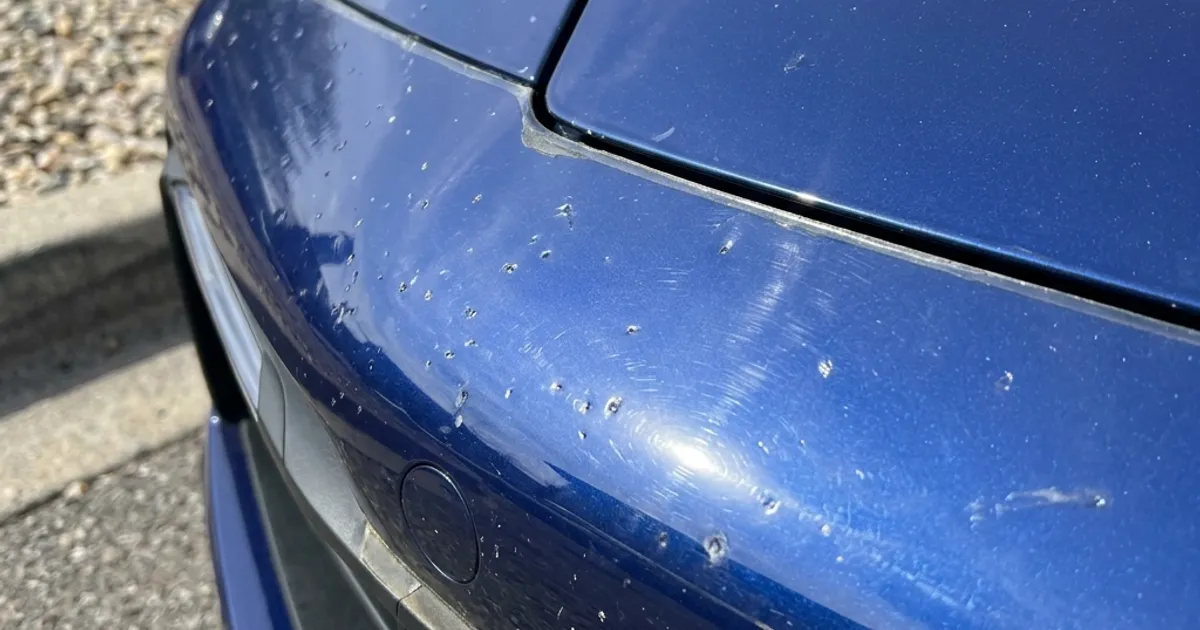
- Visible chip damage that has accumulated over years.
A film that still looks clear and is still functioning hydrophobically does not need replacement, regardless of age.
Ready to get started?
Get free quotes from certified installers in your area
Compare prices and find the right installer for your vehicle.
Get Free Quotes →Signs of PPF Aging
- Hazy or cloudy appearance, especially under direct sunlight.
- Yellow tint, particularly visible on white or light-colored cars.
- Edges starting to lift or curl, especially around bumpers and door handles.
- Reduced hydrophobic effect — water no longer beads up.
- Visible chip impacts that the film no longer self-heals.
Annual professional inspection catches most of these early. A skilled installer can address minor issues (heat-gun re-set on lifted edges, partial replacement of damaged sections) without doing a full re-wrap.