
The Honest Answer: No
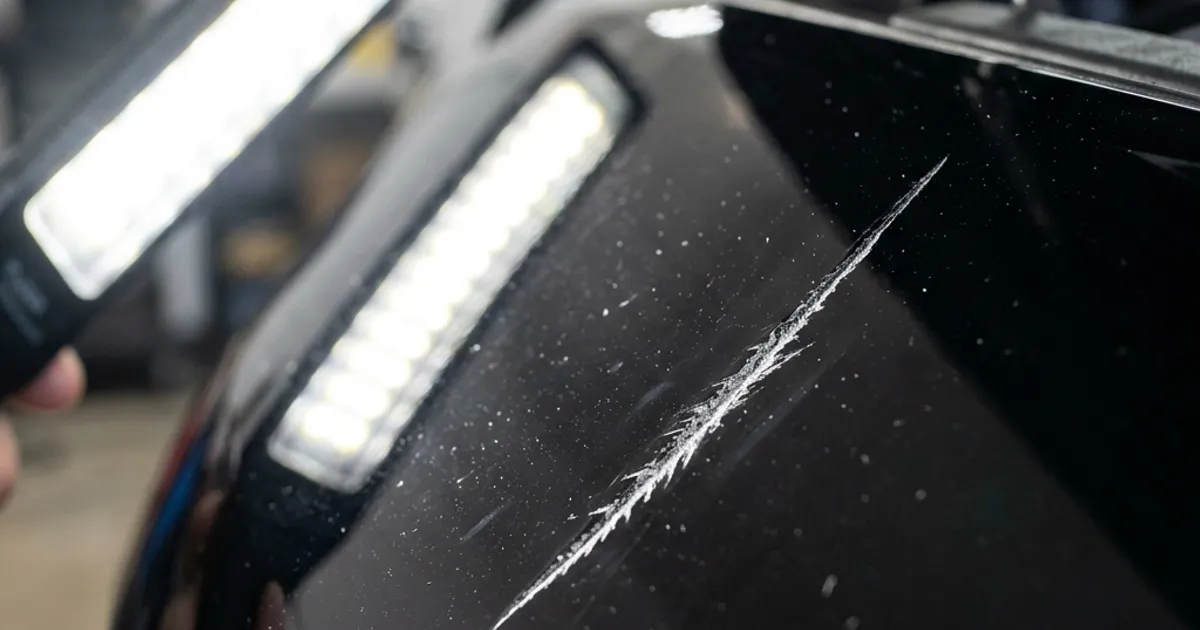
Ceramic coating does not prevent physical scratches. This is the single most misunderstood thing about the entire product category, and bad marketing is mostly to blame.
A ceramic coating is 1-3 microns thick. For comparison, a human hair is about 75 microns. Even the thickest professional coating is a tiny fraction of a hair. There is simply not enough material to absorb impact energy from a rock, key, fingernail or wash mitt.
What ceramic coating actually does is protect against chemical and environmental damage: UV degradation, bird droppings, sap, bug splatter, brake dust and water spotting. It also creates a hydrophobic surface that makes washing easier and reduces the swirl risk during routine maintenance.
The 9H Hardness Myth
Almost every ceramic coating brand markets a "9H hardness" rating. This sounds impressive — until you understand what the test actually measures.
"9H" refers to a specific pencil hardness test where pencils of varying hardness are dragged across the surface. 9H is the hardest commonly available pencil. The test measures whether a 9H pencil leaves a mark on the cured coating film.
The pencil hardness test was originally designed for industrial coatings on flat substrates, not automotive clear coats. It does NOT measure resistance to:
- Rocks at highway speed
- Keys or jewelry
- Dirty wash mitts
- Fingernails
- Bird droppings (which are chemical, not physical, but still etch unprotected paint)
A 9H rating means the cured coating is harder than a 9H pencil — that is all. It does not mean the coating will stop a rock chip or prevent scratches from real-world contact.
Get free quotes from certified installers in your area
Compare prices and find the right installer for your vehicle.
Get Free Quotes →What Ceramic Coating DOES Protect Against
The real benefits of ceramic coating, none of which involve physical scratch resistance:
- UV protection — slows clear coat oxidation and fading.
- Chemical resistance — bird droppings, sap, bug splatter and tar wipe off cleanly instead of etching.
- Hydrophobicity — water sheets off, reducing water spots and dramatically easing wash time.
- Brake dust and road grime resistance — wheel and lower-panel cleanup is faster.
- Gloss enhancement — adds depth and a "glassy" appearance to the paint.
- Easier washing — fewer products needed, less risk of swirl marks during routine maintenance.
These are all real, measurable, valuable benefits. But none of them involve stopping rocks or scratches.
If You Want Scratch Protection, You Need PPF
The only product that physically prevents scratches and rock chips is paint protection film (PPF). A premium PPF is 6-8 mils (152-203 microns) thick — roughly 100× thicker than a ceramic coating. That is enough material to absorb the impact energy of a rock or scratch.
PPF and ceramic coating are complementary, not competitive. The right setup for most enthusiast owners is:
- PPF on the high-impact areas (front bumper, hood, fenders, mirrors).
- Ceramic coating on every other panel.
- Ceramic coating layered on top of the PPF as well.
See our guide on ceramic coating vs PPF for the full breakdown.