
What Paint Correction Actually Is
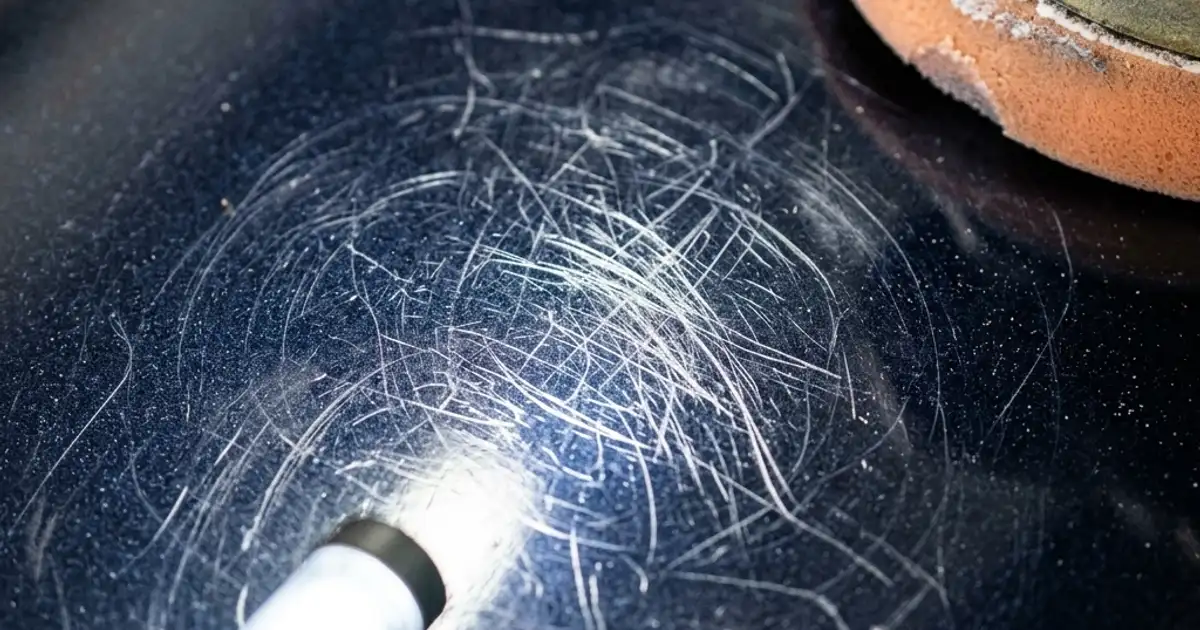
Paint correction is a multi-step machine polishing process that removes a thin layer of clear coat to level out surface defects — swirl marks, scratches, water spots, oxidation, etching and bird dropping marks.
The key word is REMOVE. Paint correction is not the same as a glaze, sealant or "scratch remover" product. Glazes fill defects with oils and polymers; the defects come back as soon as the filler wears off (usually within weeks). Real paint correction physically removes the layer of clear coat that contains the defect. Once it is removed, it does not come back.
This is also why correction is destructive: every correction removes a small amount of clear coat. Over the life of a car, there is only a finite amount of clear coat to give up. Most modern factory clear coats are 2-3 mils thick; aggressive correction can remove 0.2-0.5 mils per pass.
1-Step vs 2-Step vs 3-Step
Paint correction comes in 1-step, 2-step or 3-step packages, depending on how aggressive the prep work needs to be.
- 1-Step (light enhancement): one pass with a single polish, usually a one-step compound polish on a soft pad. Removes maybe 60-80% of light swirls and minor defects. Used for new cars, leased vehicles or cars that just need a "freshen up" before coating.
- 2-Step (intermediate correction): a heavier compound on a cutting pad, followed by a finishing polish on a soft pad. Removes 90-95% of moderate defects, including most swirls and shallow scratches.
- 3-Step (full / heavy correction): a heavy compound on a microfiber or wool pad, then a medium polish, then a finishing polish. Removes deep swirls, holograms from previous bad polishing, and most non-deep scratches. The most aggressive level used in professional work.
Anything beyond 3-step (sometimes called "show car correction") involves hand-polishing and wet sanding for the absolute deepest defects. It is rare and reserved for concours-level work.
Why Correction Matters Before Coating
Ceramic coating is clear and transparent. It does not hide defects — it locks them in. Whatever your paint looks like the moment the coating is applied is what it will look like for the next 2-7 years.
If you skip correction and coat over swirled, scratched paint, those swirls are now permanently visible under the coating. Worse, removing the coating later (to do correction) requires aggressive polishing that destroys the coating you just paid for.
Any reputable certified installer will refuse to coat a car without doing at least light correction first. If a shop offers to "just put on a coating without prep" for a low price, that is a red flag.
Get free quotes from certified installers in your area
Compare prices and find the right installer for your vehicle.
Get Free Quotes →How to Tell If You Need Correction
The "flashlight test" is the standard way to check for paint defects:
1. Park the car indoors or in shade.
2. Use a high-intensity LED flashlight or detail light.
3. Hold the light close to the panel and angle it to catch reflections.
4. Look for swirl marks (curved circular patterns), straight scratches, and water spots.
If you see any of these defects under the light, the paint needs correction before coating. Most cars more than 6 months old will show at least light swirling — usually from automatic car washes or improper hand washing.
Cost and Time Expectations
- 1-Step on a sedan: $300-$600, 4-8 hours.
- 2-Step on a sedan: $600-$1,200, 8-16 hours.
- 3-Step on a sedan: $1,200-$2,500+, 16-30 hours.
Larger vehicles (SUV, truck) add 25-50% to both time and cost. Exotic/luxury cars with soft paint or complex curves can add another 25-50%.
Most professional ceramic coating quotes include some level of correction. When comparing quotes, always ask which level of correction is included — a $1,500 coating with 1-step and a $1,500 coating with 3-step are very different services.
The Risks of Over-Correction
Every pass of correction removes a small amount of clear coat. A factory clear coat is finite — modern paint is 1.5-3 mils total. Over-correction can permanently thin or burn through the clear coat, exposing the base color and requiring a full repaint.
A skilled professional measures clear coat thickness with a paint depth gauge before and during correction, and stops well before any risk of breakthrough. This is one of the reasons brand-certified installers exist: they know how to measure and how much they can safely take.
Avoid any shop that offers "unlimited correction" or "as many passes as needed" for a flat fee — that is a recipe for clear coat damage.